
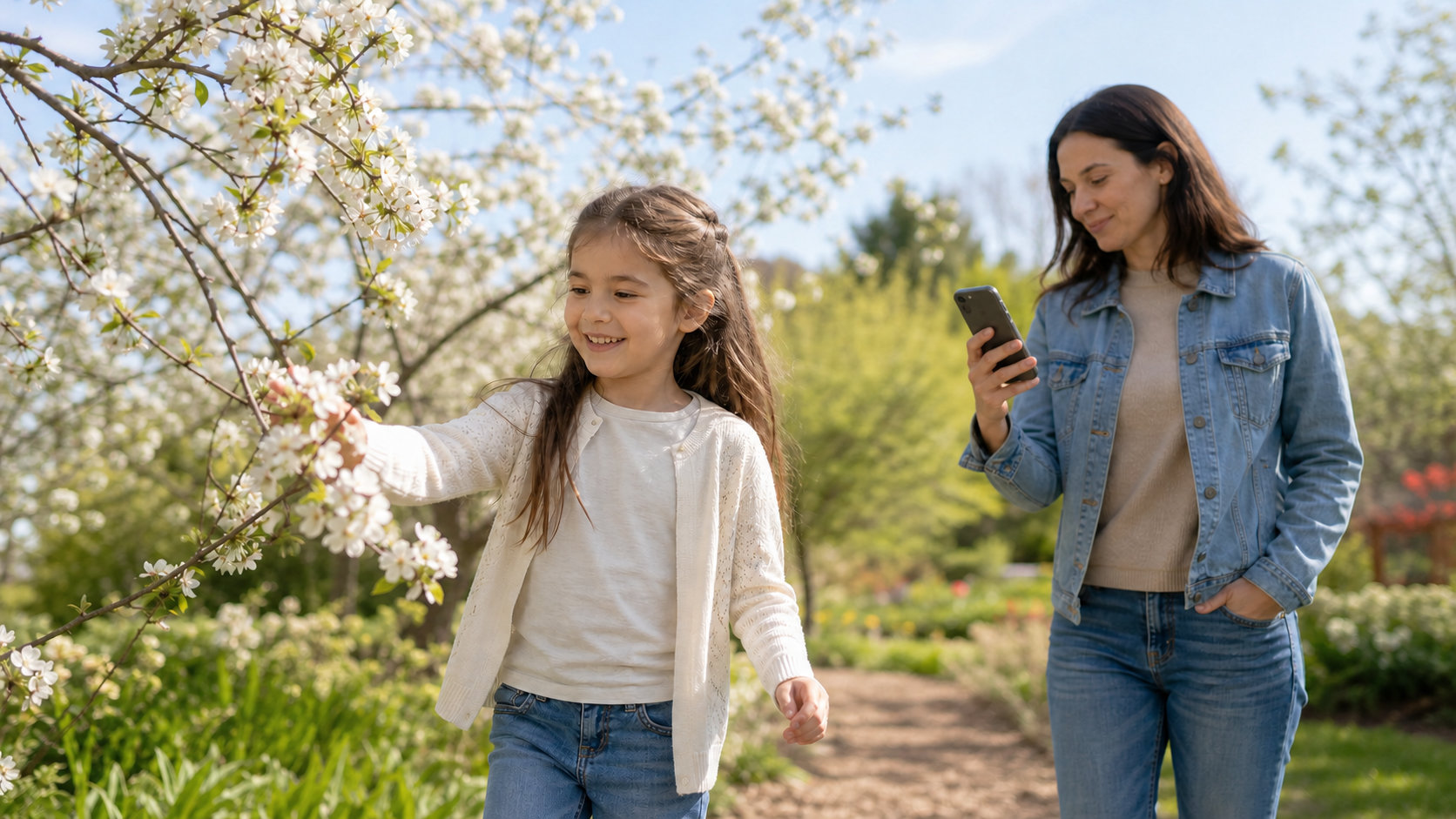
If spring allergies seem to begin earlier and last longer, that impression has scientific support. Warmer temperatures, changing rainfall, and higher carbon dioxide levels can lengthen growing seasons and increase pollen exposure. For children with allergic rhinitis or asthma, that may mean more days of sneezing, itchy eyes, congestion, poor sleep, and reduced concentration.
Allergy symptoms parents commonly notice
- Repeated sneezing and a clear, runny nose.
- Itchy, watery, or red eyes.
- Itching of the nose or throat.
- Symptoms that repeat in certain seasons or after outdoor exposure.
- Nighttime congestion, mouth breathing, or disrupted sleep.
Allergies usually do not cause a fever. Thick mucus can occur with allergies, so color alone cannot diagnose an infection. Cough, breathing trouble, fever, significant fatigue, or symptoms that do not follow the child's normal pattern deserve medical attention.
Build a pollen-aware routine
- Check local pollen forecasts before planning long outdoor activities.
- Keep windows closed during high-pollen periods when practical.
- Have children wash their hands and face after extended outdoor play.
- Change pollen-covered clothing and consider bathing before bed.
- Use appropriate home filtration and change filters according to instructions.
- Work with the school or coach if symptoms affect participation or focus.
Understanding antihistamine labels
Antihistamines help relieve symptoms caused by histamine, including sneezing, runny nose, and itchy, watery eyes. Different active ingredients have different age limits, dosing schedules, warnings, and potential for drowsiness. Always identify the active ingredient and follow the Drug Facts label rather than choosing by flavor or package color.
GummiMED Children's Antihistamine Allergy Relief Gummies use cetirizine HCl in a child-friendly gummy format. Parents should follow the current Drug Facts label for the child's age and dose, check for other antihistamine-containing products, and consult a healthcare professional about liver or kidney disease, medication interactions, or persistent symptoms.
When to involve an allergist
Ask about specialist evaluation when symptoms are difficult to control, repeatedly disrupt sleep or school, trigger asthma, or make the family avoid normal activities. Testing and an individualized plan can clarify triggers and treatment options.
Frequently asked questions
Can allergies cause a cough?
Postnasal drainage can contribute to coughing, but cough also has many other causes. Seek care for breathing difficulty, wheezing, persistent cough, or a child who appears unwell.
Should allergy medicine start before pollen season?
Some clinicians recommend beginning certain treatments before predictable symptoms start. Ask your child's healthcare professional about an individual plan.
Does local honey prevent seasonal allergies?
Evidence does not show that local honey reliably treats pollen allergy. Do not give honey to a child under 12 months.
Explore GummiMED Children's Antihistamine Allergy Relief Gummies and read the Drug Facts label before use.